
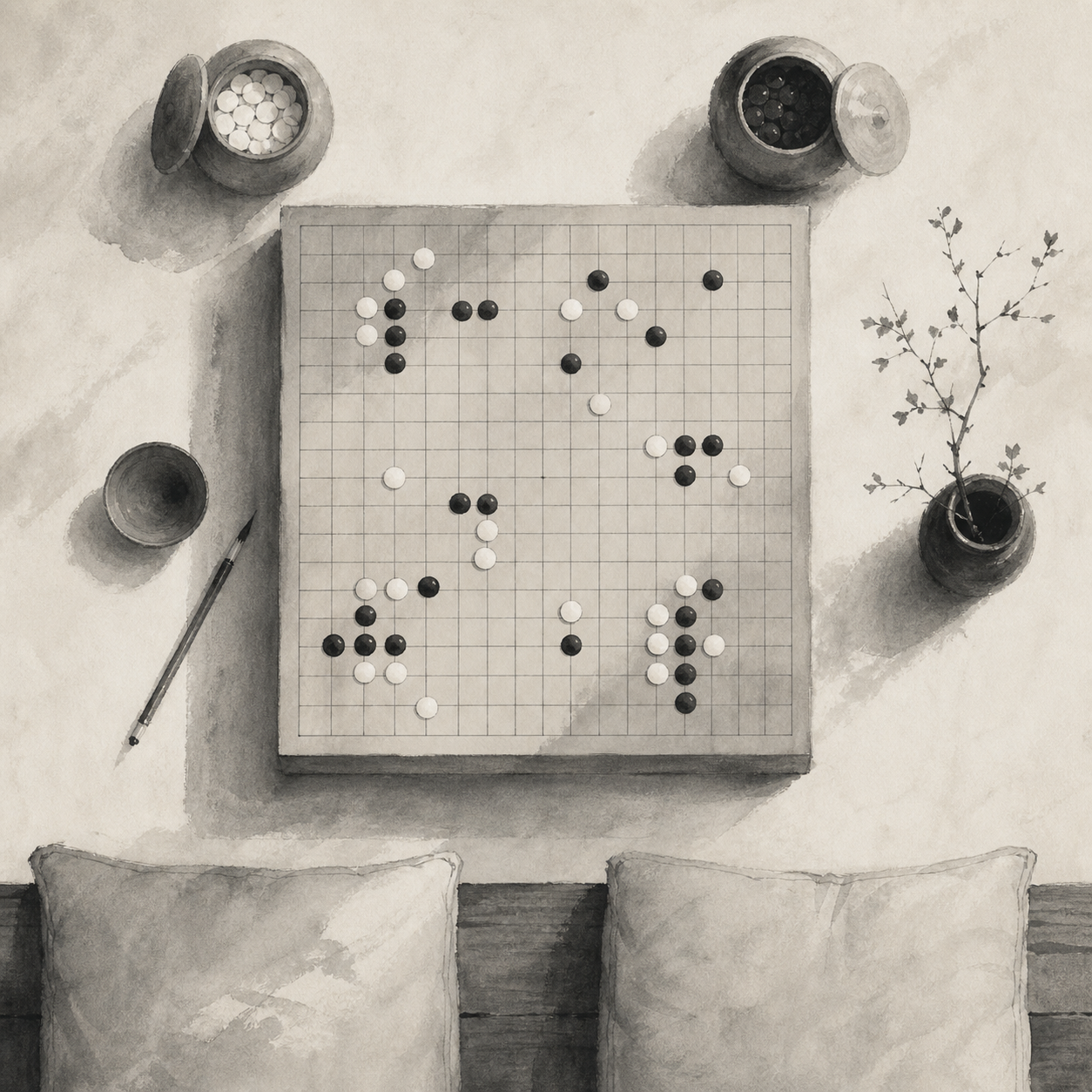
You notice a tournament in a small city. It lasts one day. The entry list may not yet mean much to you. It is easy to scroll past. But the ordinary life of competitive Gomoku often lives inside calendar items like this one: Győr, Hungary, Sept. 26, 2026, Gomoku Swap2, rated.
A One-Day Event Restores the Real Rhythm
RenjuNet’s list of current and upcoming events includes the Győri Gomoku Championship 2026. The location is Győr, Hungary. The date is Sept. 26, 2026. The rules are listed as Gomoku - Swap 2, and the event is rated. It is a brief listing, but it is enough to make you pause.
The virtue of a one-day tournament is its directness. Players arrive in the morning, continue through the afternoon, and close the books at night. There is not much time to dress yourself up as a particular kind of player. Opening choices, faces after a move, adjustments between two consecutive games — all of it becomes easier to see.
World championships have their own gravity. A small-city event is more like a lamp held close. It shows how Gomoku is played, scored, and carried into an ordinary weekend.
Swap2 Makes the First Move Less Comfortable
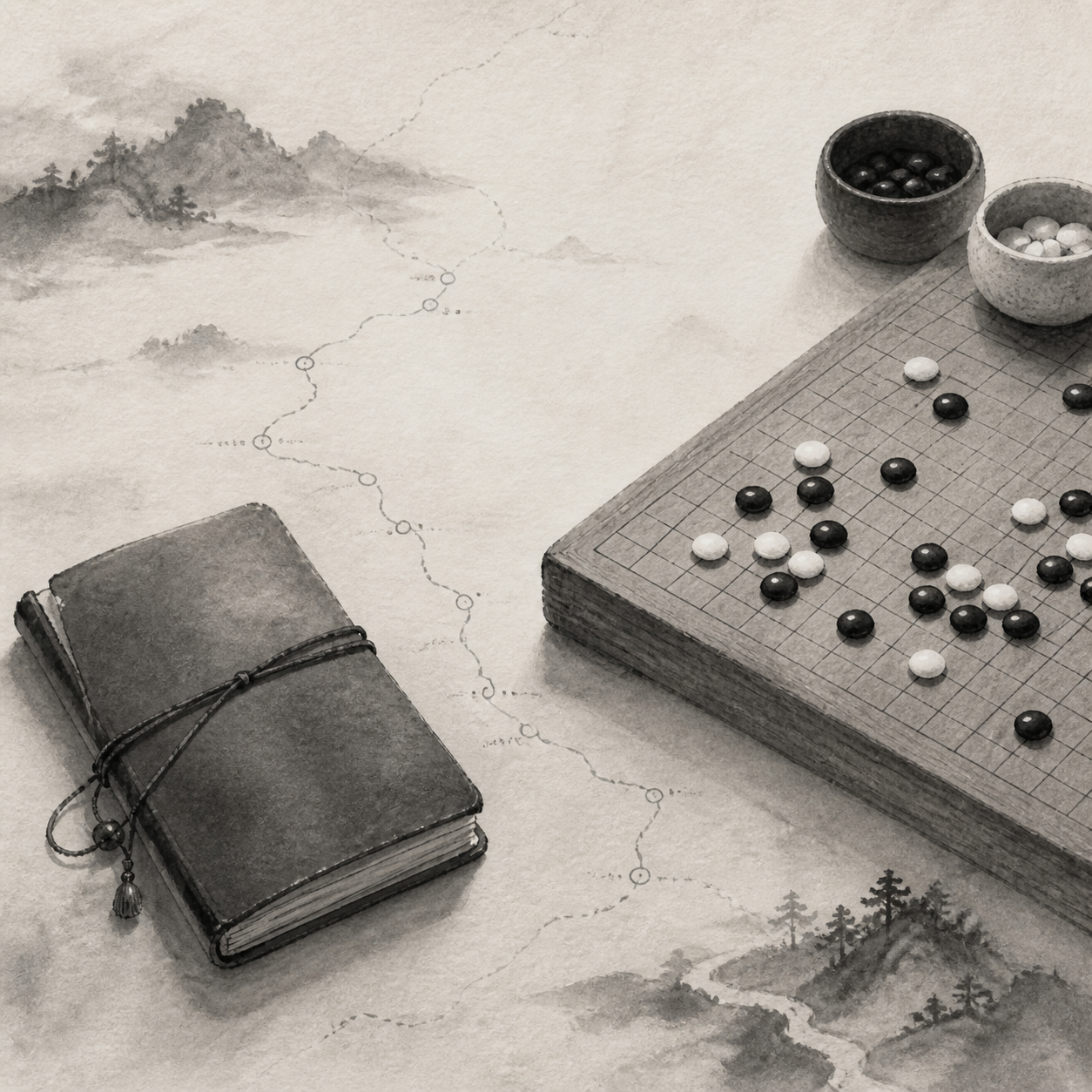
This tournament uses Swap2. In simple terms, the first player places three stones. The second player may choose black, choose white, or ask the first player to add two more stones before deciding colors. The opening stops being “where do I want to play first?” and becomes “will someone else want to take the position I have just made?”
If the first player makes the three stones too smooth, the second player can simply take the more comfortable side. If the shape is too strange, the initiative may slip away. So the first player’s task is restrained: offer a position that looks playable at first glance and becomes hard to choose on closer inspection.
That is one reason small tournaments are worth watching. In the strongest matches, players arrive with deep preparation. In a one-day rated event, you are more likely to see judgment made in the room. One player knows a diagonal structure well. Another likes tight shapes near tengen. Someone else meets an unfamiliar three-stone pattern and sinks into a long think.
The opening is short. The judgment is long.
A Rated Game Is a Game That Will Be Remembered
RenjuNet’s tournament pages and calendar put the event, rules, date, and location into the same table, and they connect to player rating information as well. To a spectator, those fields can look dry. To a player, they say that this game will enter the record.
Recorded games change how people place stones. You may play one fewer “let’s see” move and spend an extra half-minute considering the opponent’s reply. In Swap2 especially, the first five moves carry your sense of balance, not just the shape of an opening.
Events like this also give local players a clear set of coordinates. Whom you lost to today. Whom you chase next time. Which positions you always handle too slowly. Ratings will not explain these things for you, but they will place them on a timeline.
Small-City Events Reveal a Player’s Touch
When you watch a major tournament, it is easy to stare only at the result. A small-city event lets you look from another angle: how a player handles the first open three, how they defend after an opponent’s four-in-a-row, how they occupy the center before the position has fully erupted.
Take a common scene. Black builds diagonal potential near tengen. White does not immediately block the loudest point, but creates a counter-restraint on another line. A bystander may grow impatient and think the defense is half a beat late. Someone who knows a little more may notice that White is forcing Black to declare the main direction of attack.
That kind of touch is hard to read from a list of champions. It appears inside ordinary games, one after another, especially before time pressure has fully begun to bear down.
The Calendar Is a Map of Gomoku
Open the RenjuNet tournament calendar, and you will see different cities, dates, and rules placed side by side. Győr is only one point. With enough points, a map appears.
The map has a useful detail: Gomoku, Renju, Swap2, rated tournaments — these words occupy the same field of vision. They remind you that Gomoku does not have only one competitive face. Small differences in rules change the way players prepare.
For someone just starting to watch tournaments, this is friendlier than studying famous games alone. First you learn where people are playing. Then you learn which rules they are using. Only later do you start caring why a certain player so often gets an advantage before the seventh move.
Do Not Wait Only for the Final Table
Public information about a small-city tournament is often sparse. Before the event, you may have only the time, the place, the rules, and the label rated. That is not enough to write a legend. It is enough to train your eye.
The best place to begin is the first five moves. In Swap2, those moves expose a great deal: the first player’s sense of balance, the second player’s color preference, and whether both sides are willing to steer the position toward branches they know.
Events Like Győr Keep Gomoku Ordinary
If a board game is visible only during major championships, it begins to feel remote. A listing like Győr brings it back to the table: one Saturday, one city, a group of players, a ruleset, several rounds of games.
If you usually watch only famous games, keep an eye out in late September 2026 for public records from the Győri Gomoku Championship 2026. Start with the first five moves. Then see who brings the position into familiar territory. The next time you play a game yourself, ask the same question: would someone else be willing to take this opening?