
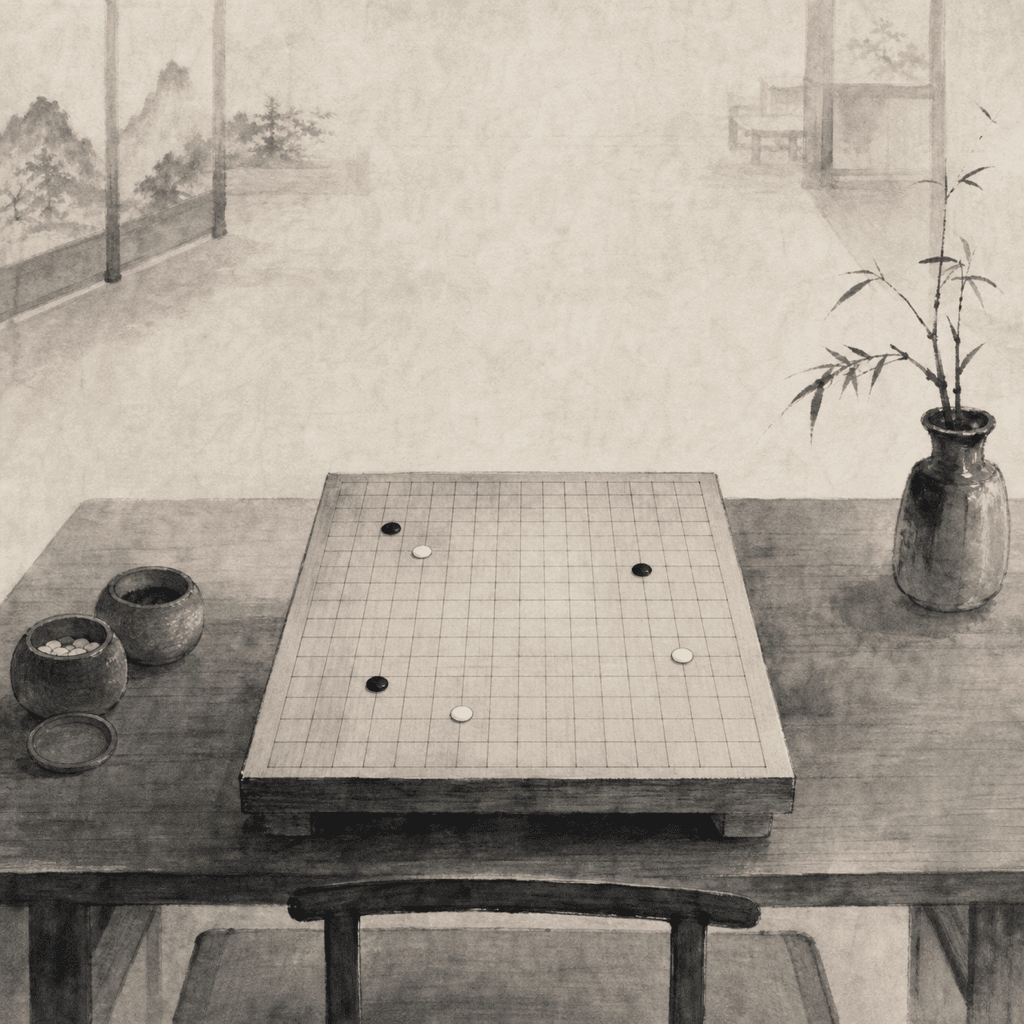
As a world event approaches, the first thing to read is not only the roster. You begin with the city, the rules, the quiet division of labor between teammates, and the way every move gains weight in a team match.
Why Yerevan matters
The RenjuNet event page lists the 2026 Gomoku Team World Championship for August 15-19 in Yerevan, Armenia. The rule field says Gomoku - Swap 2, and the event is marked as a RIF Title Competition.
This is not a subject that needs to be dressed up as loud news. World-level Gomoku is often quiet: one board, two colors of stones, a few minutes of thought, and finally a team result.
Team play changes what you watch
In an individual event, a player’s style expands. In a team event, style is often compressed: a side needs stable points, fewer early collapses, and someone willing to carry sharper positions on a key board.
So when you watch, ask less often who is strongest. Ask how a team allocates risk. That small shift makes many plain openings suddenly worth reading.
Swap2 makes the opening a negotiation
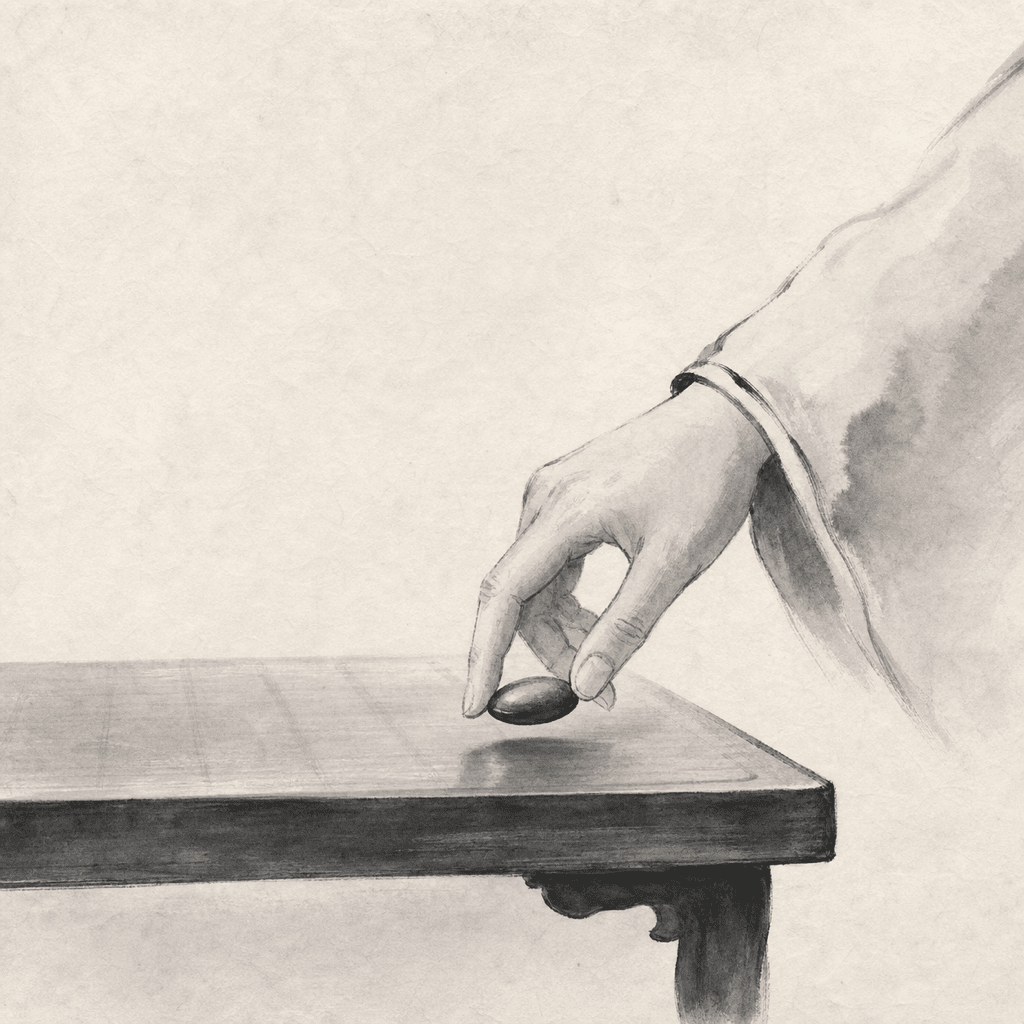
Swap 2, named in the event information, is one of the balancing rules used in modern competitive Gomoku. It breaks up first-player advantage by making the opening a matter of choice and exchange.
The point is not to make the game complicated. It is to keep the first move from owning too much of the story. The real contest moves back into middlegame reading, technique, and patience.
A fair opening leaves a longer middlegame.
Three ways to read a team’s temperament
First, notice whether a team accepts small advantages. Team events do not always reward the prettiest win; often they reward the side that does not spend a modest edge too quickly.
Second, watch the shape choices when a player falls behind. A steady team pulls the game back toward calculation; a volatile one creates open threes, four-in-a-row threats, and complicated exchanges earlier.
Third, look for restraint in the ending. The most expensive mistake on a Gomoku board is often not missing a win. It is believing too soon that the win is already yours.
This is also Gomoku’s beauty
WUZIQI has always liked this quiet tension. Wood grain, grid, black and white stones are not decoration. They make a match feel tactile: no extra color, only position and room.
Yerevan’s schedule has not begun, but it already gives you a way in: read the world event as a set of polished judgments, not just a string of scores.
How to prepare before the event
If you play only occasionally, you do not need to memorize every opening before the event. Learn the rough idea of Swap2, then look at a few team-game records and watch when a player chooses safety, and when the position turns toward attack.
When the event begins, return to the board. You may find that a quiet world championship lasts longer in the mind than a loud headline.